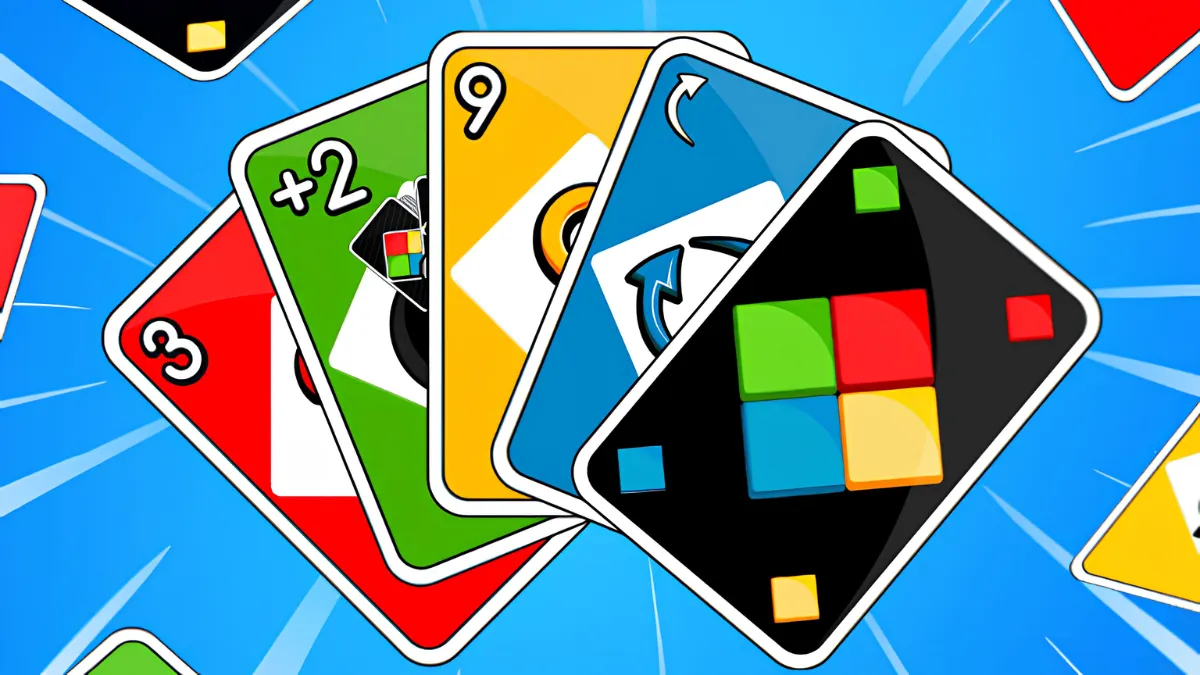
4 Colors may sound like a simple phrase, but it actually has multiple meanings depending on the context. In today’s digital world, when users search for terms like 4 colors online or 4 colors game, they are usually referring to a fun UNO-style card game that can be played in a browser. However, the same term is also widely used in professional printing, mathematics, and even personality psychology. This makes “4 Colors” a versatile concept that connects entertainment, science, and self-development. In this article, we break down each meaning in detail so you can clearly understand what you’re looking for and how it applies in different fields.
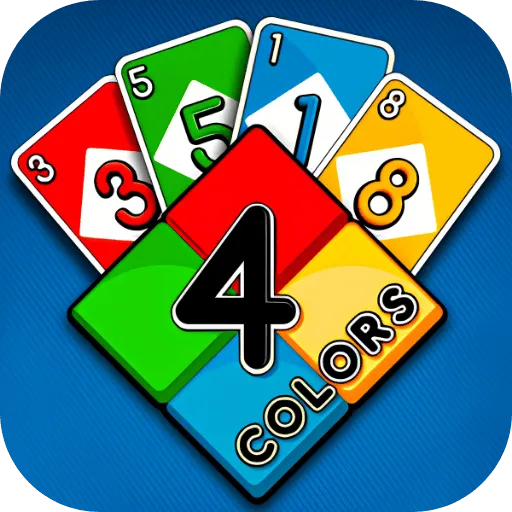
4 Colors Card Game
In gaming, 4 Colors is a fast-paced card game inspired by the classic UNO. Many players look for it as 4 colors friv or 4 Colors Multiplayer, especially for quick online play.
Gameplay Overview
- Match cards by color or number
- Play against AI or real players
- Press the “1” button when one card is left
- First player to empty their hand wins
This 4 colors game is easy to learn but becomes more competitive in multiplayer mode.
4 Colors in Printing
In graphic design and printing, “4 Colors” refers to the CMYK color system. This model uses four ink colors to create a wide range of printed visuals.
CMYK Colors
- Cyan (C) – Light blue
- Magenta (M) – Pink/red
- Yellow (Y) – Bright yellow
- Black (K) – Depth and detail
Designers rely on a proper 4 colors Palette to ensure accurate and high-quality print output.
Four Color Theorem (Mathematics Concept)
In mathematics, the Four Color Theorem states that any flat map can be colored using only four colors so that no two adjacent regions share the same color.
This concept is important in geography, data visualization, and computer science, making “4 Colors” relevant beyond entertainment.
4 Colors Personality Types
In psychology, the “4 Colors” model is used to classify personality traits into four categories.
Personality Color Types
- Blue – Emotional, empathetic, relationship-focused
- Gold – Organized, disciplined, dependable
- Green – Analytical, logical, independent
- Orange – Energetic, spontaneous, adventurous
This system is often used in education, workplaces, and personal development programs.
4 Colors in Cards & Everyday Use
The concept of 4 Colors of cards appears in standard playing cards:
- Hearts
- Diamonds
- Clubs
- Spades
In daily life, tools like a 4 Colors pen are also common, allowing users to switch between multiple ink colors in one pen.
4 Colors Popularity in India
Search trends like 4 colors INDIA show that the concept is popular among students and casual gamers. Many people use it for entertainment, learning, or quick online gameplay sessions.
Quick Overview
| Category | Meaning / Use Case | Example Use |
|---|---|---|
| Card Game | UNO-style multiplayer game | Browser / mobile gaming |
| Printing (CMYK) | 4 ink color printing system | Posters, magazines |
| Mathematics | Map coloring theorem | Geography, data visualization |
| Personality Model | Behavioral color classification | Training, self-analysis |
| Cards / Tools | Card suits / multi-color pen | Games, study tools |
Frequently Asked Questions
It is a card game similar to UNO where players match cards by color or number to win.
Yes, you can easily play 4 colors online or in 4 Colors Multiplayer mode through your browser.
They are Cyan, Magenta, Yellow, and Black (CMYK).
It is a system that categorizes people into four personality types based on behavior and traits.
Final Thoughts
“4 Colors” is more than just a simple term—it spans gaming, design, mathematics, and psychology. Whether you’re looking to enjoy a 4 colors game, understand printing systems, or explore personality traits, this concept has wide-ranging applications. Its simplicity and versatility make it useful for both fun and learning.
Disclaimer
This article is for informational purposes only. The gaming section is intended for entertainment, and users should ensure safe browsing and downloading practices when accessing online games. Personality models like the “4 Colors test” are general frameworks and should not be considered professional psychological assessments. Printing and mathematical explanations are simplified for educational clarity and may not cover advanced technical details.